
 Ummawebsite2025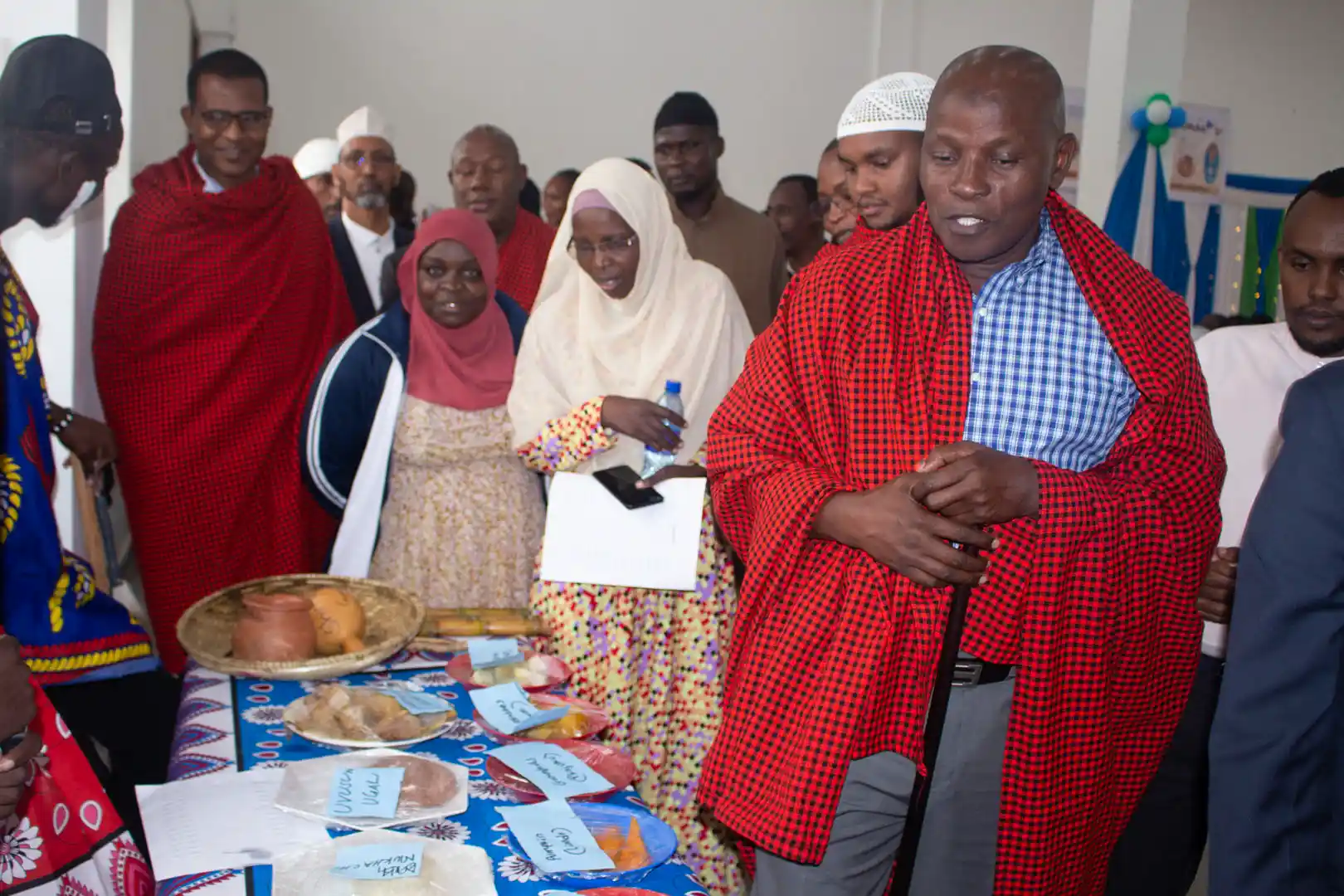
Harmony in Diversity: Umma University’s Culture Week 2024—A Bridge Between Faith, Heritage, and Global Solidarity
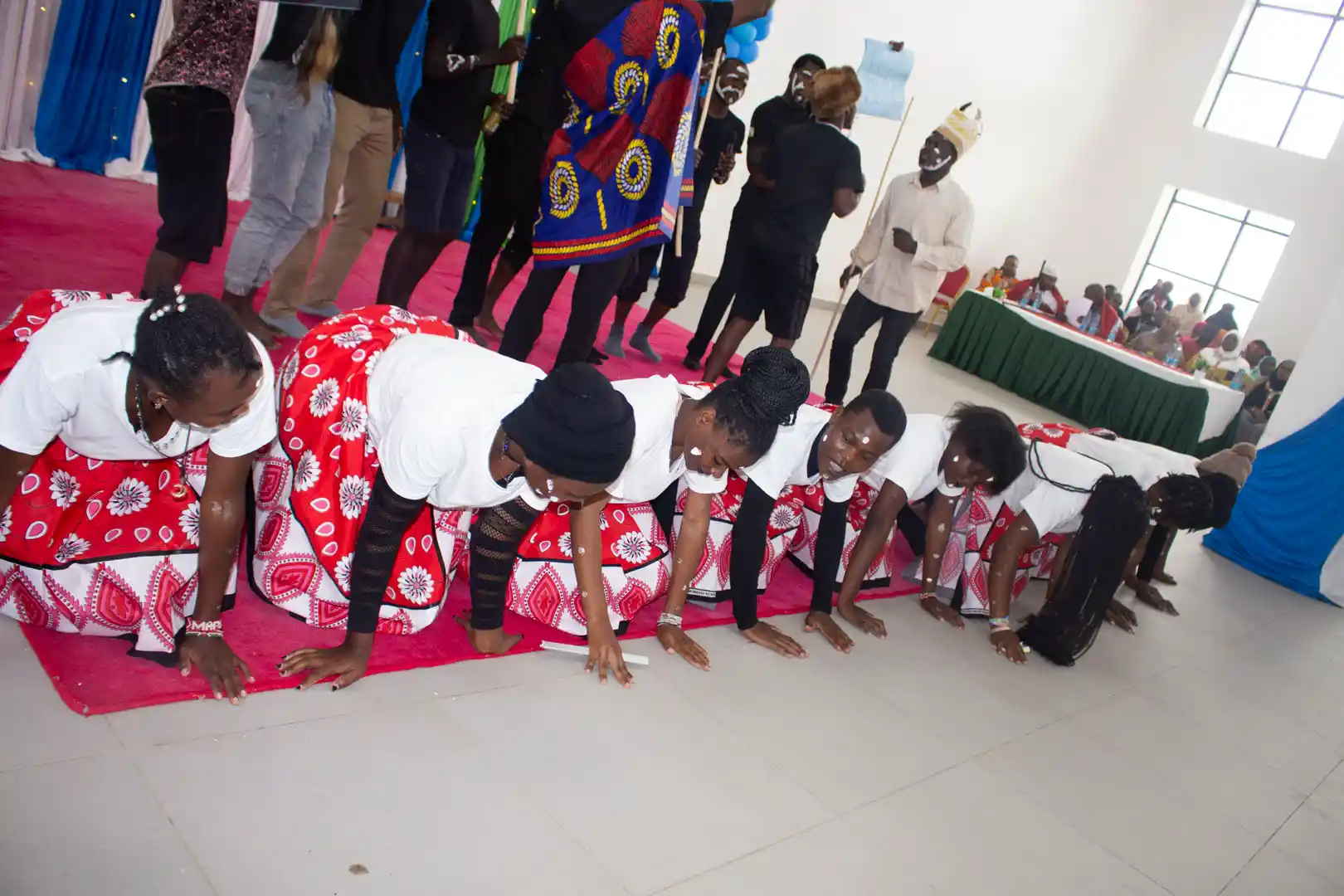
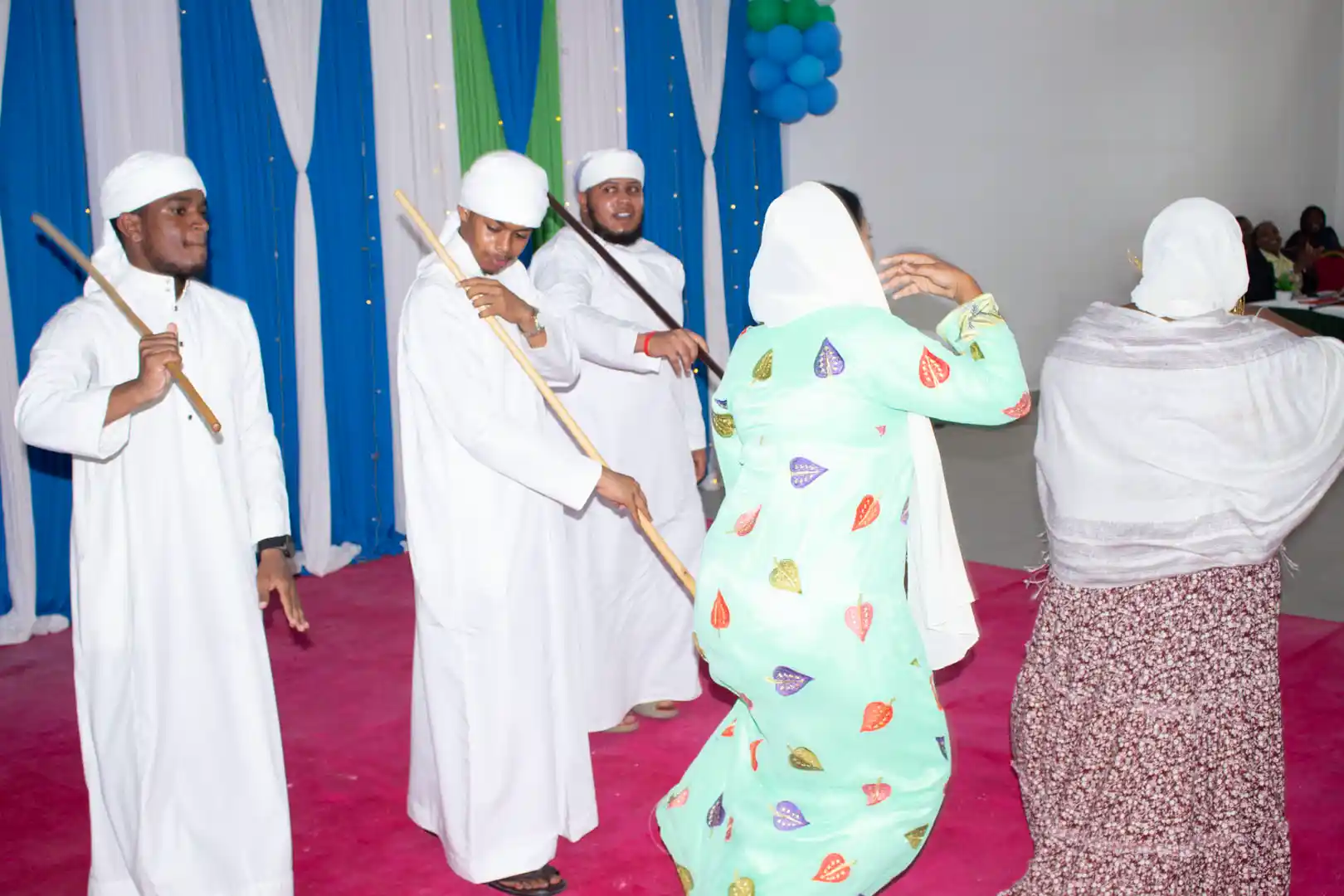
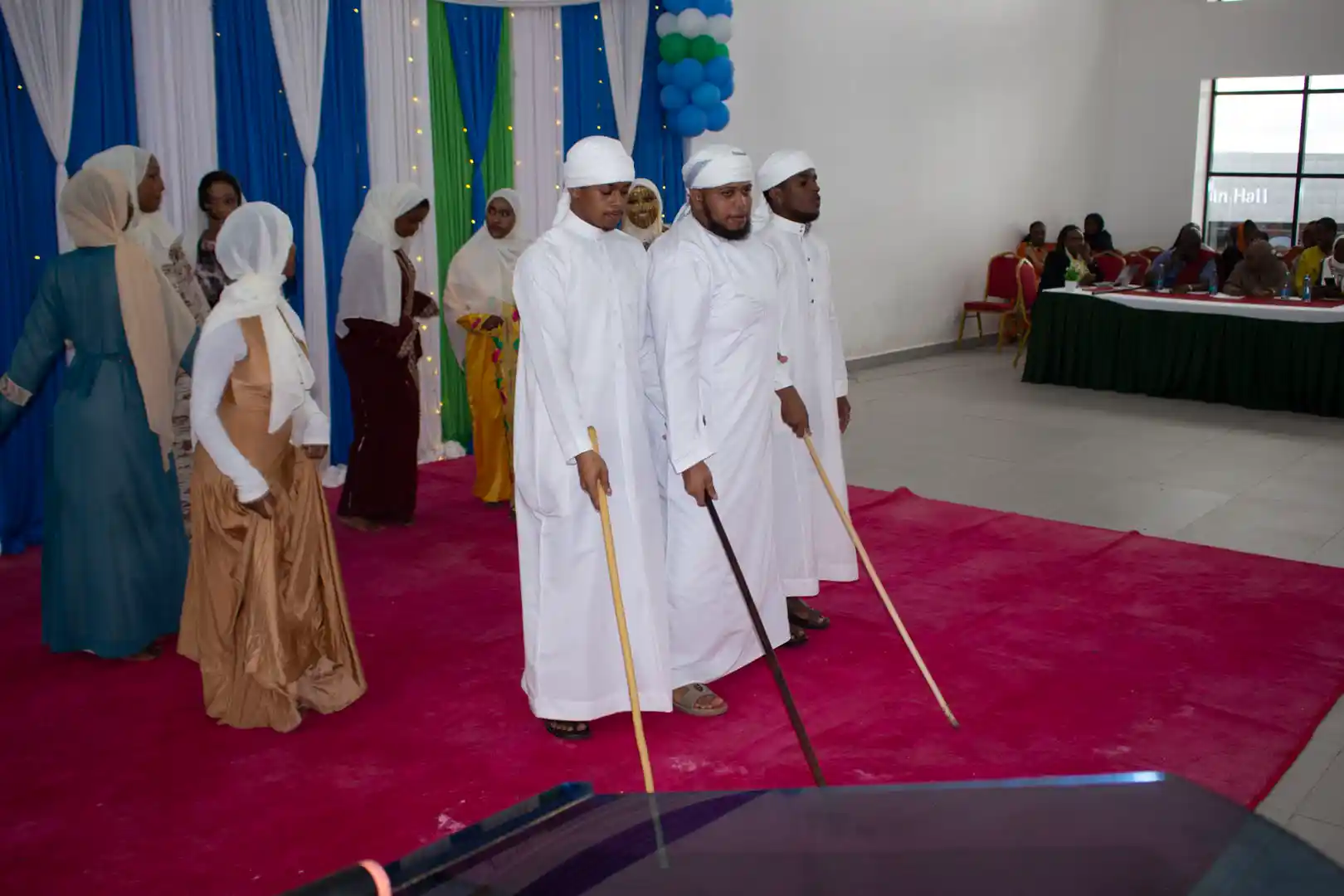
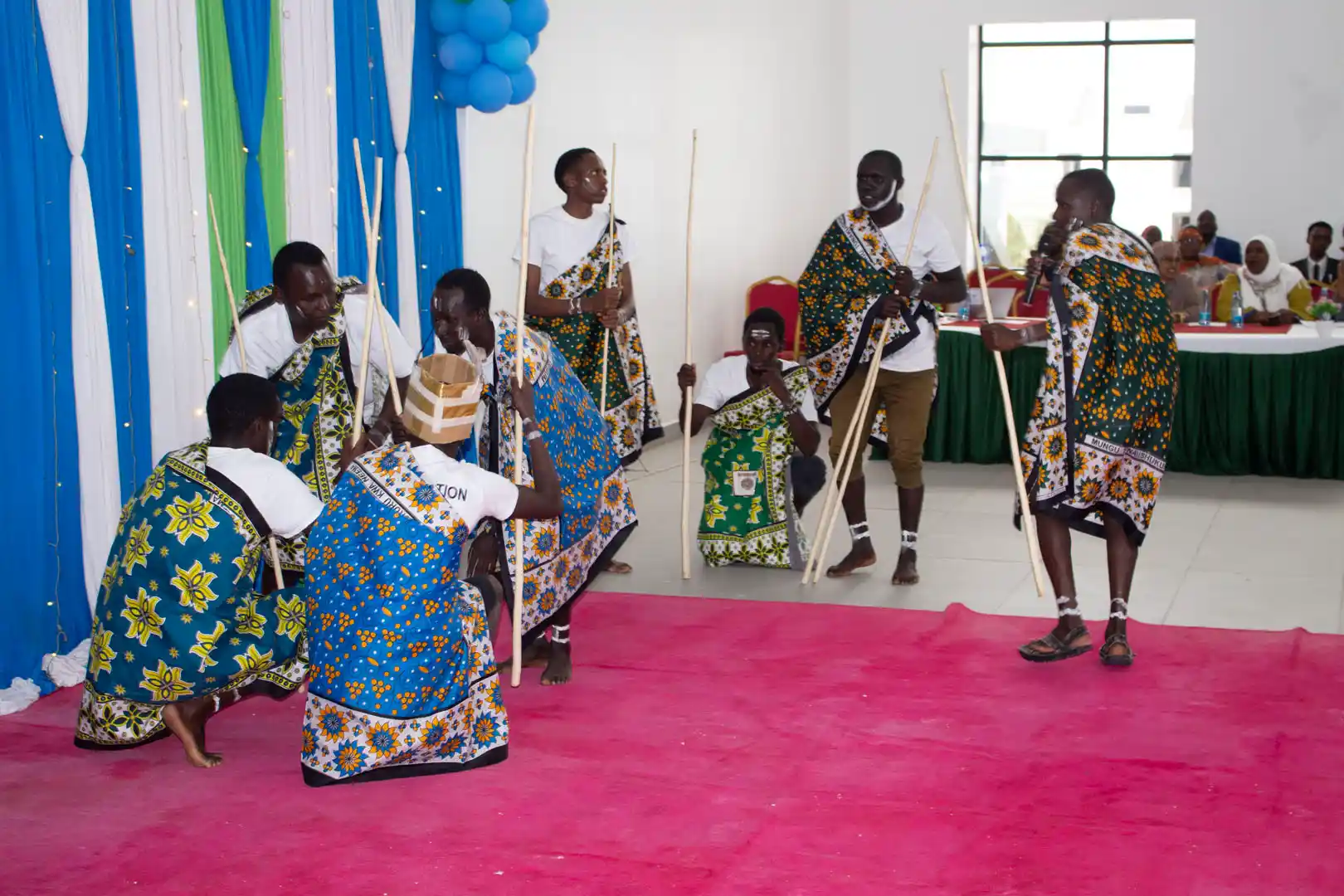
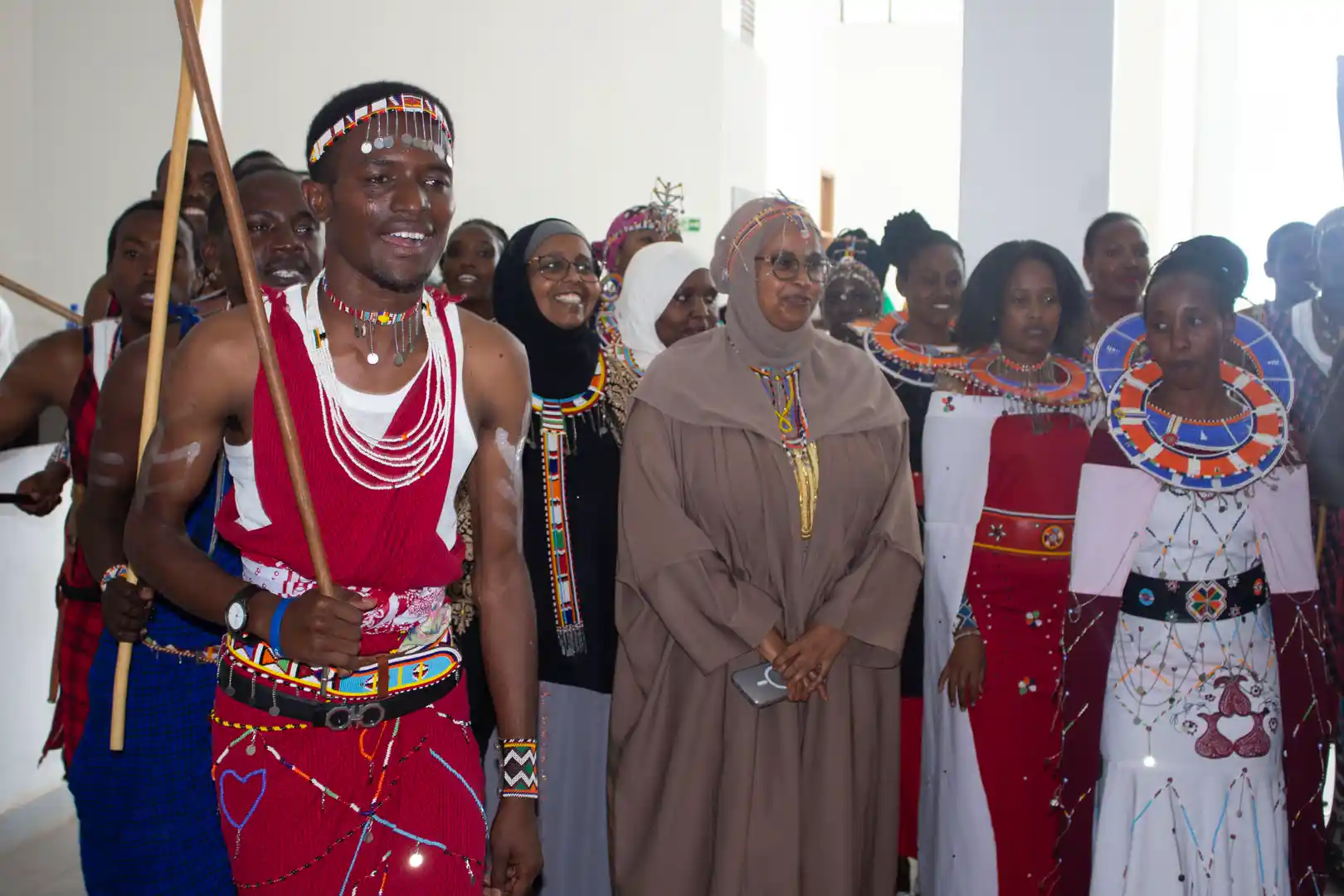
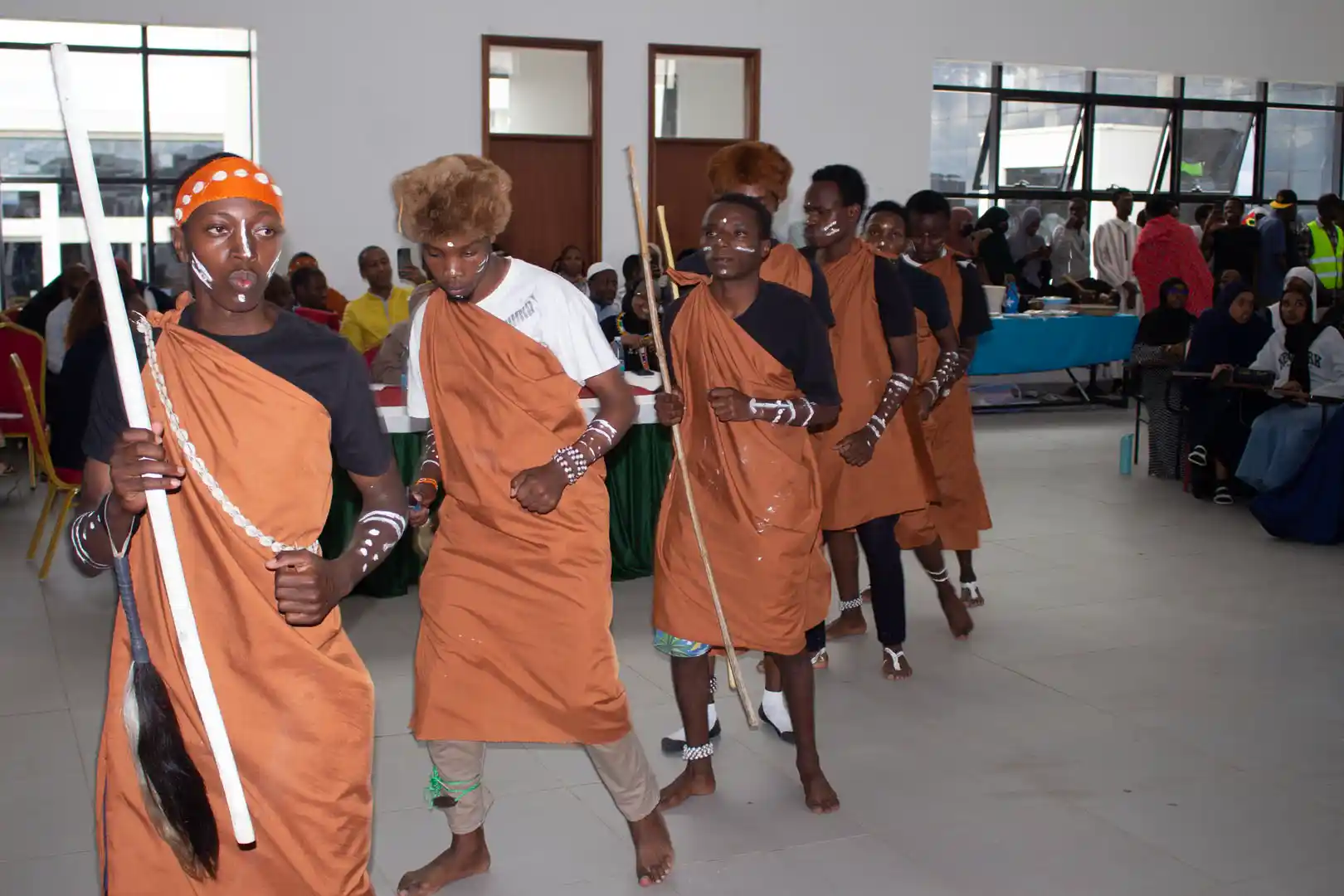
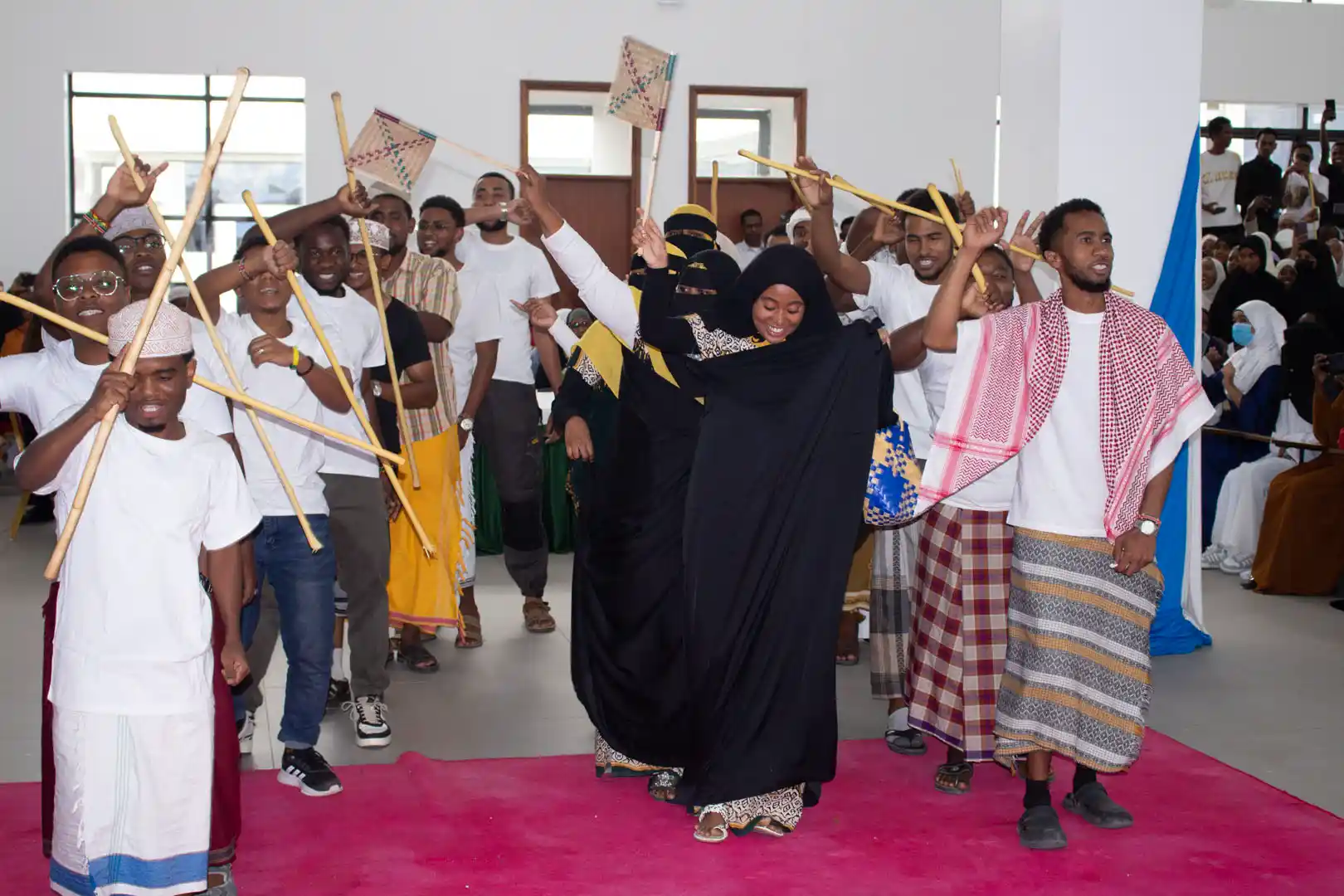
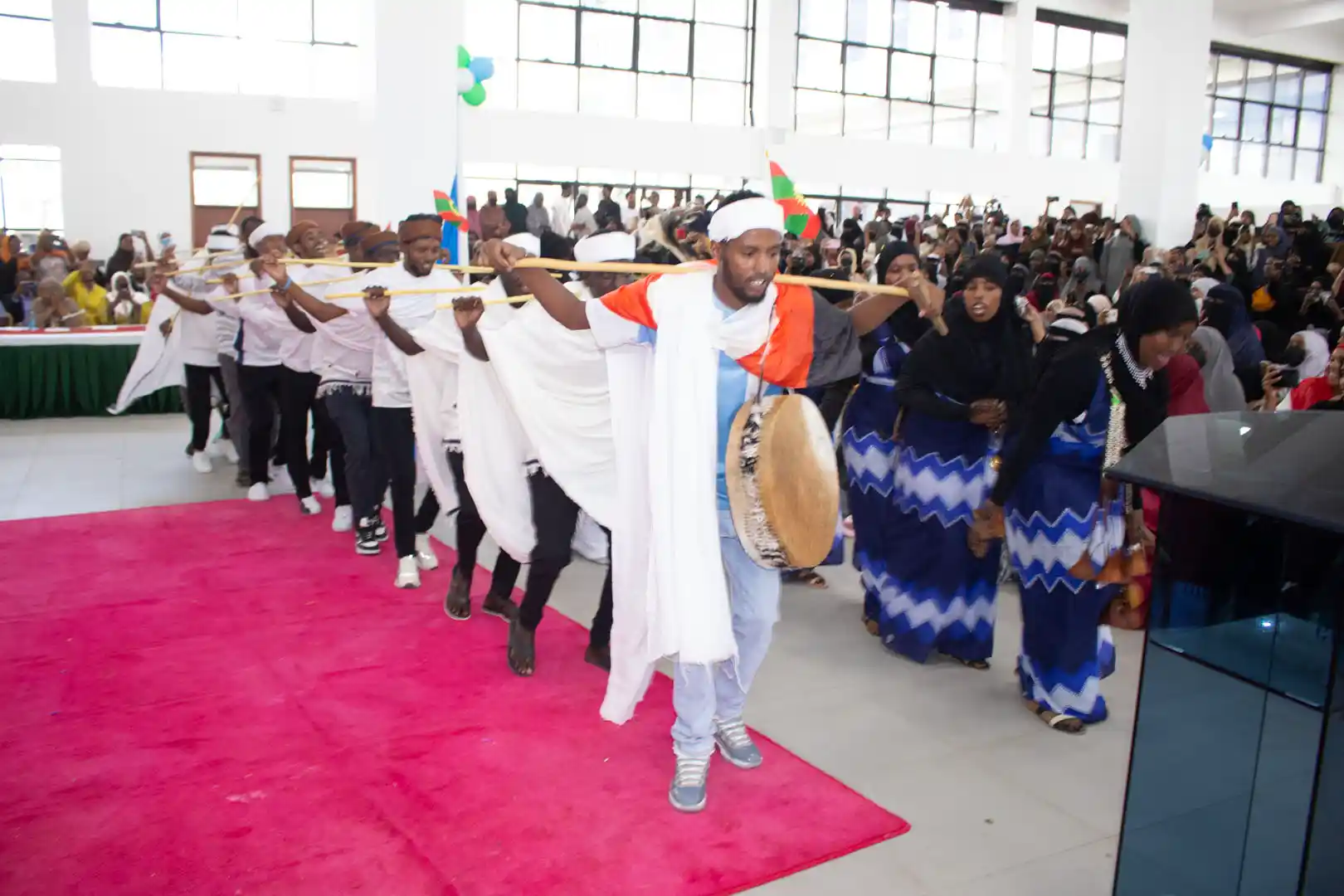
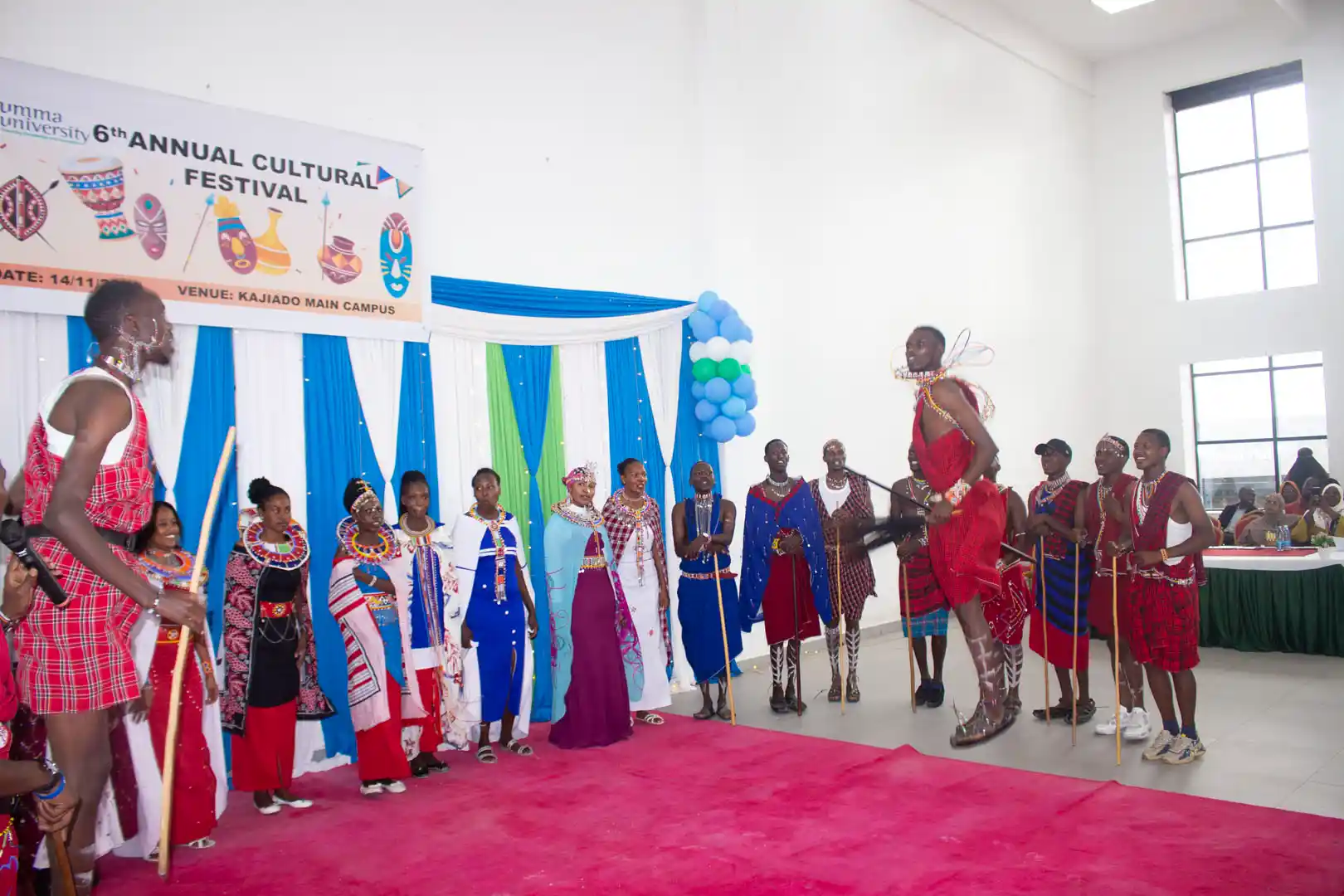
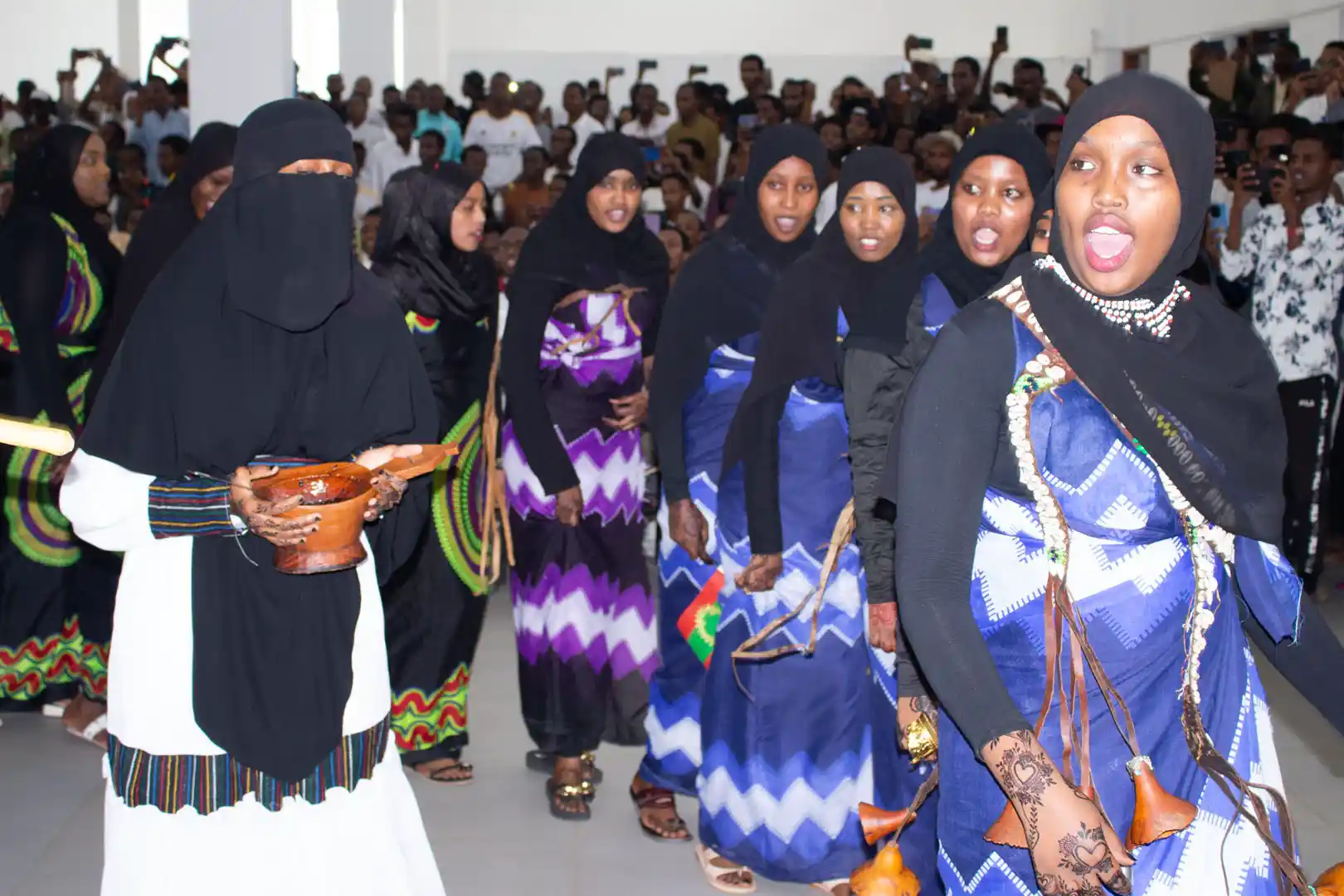
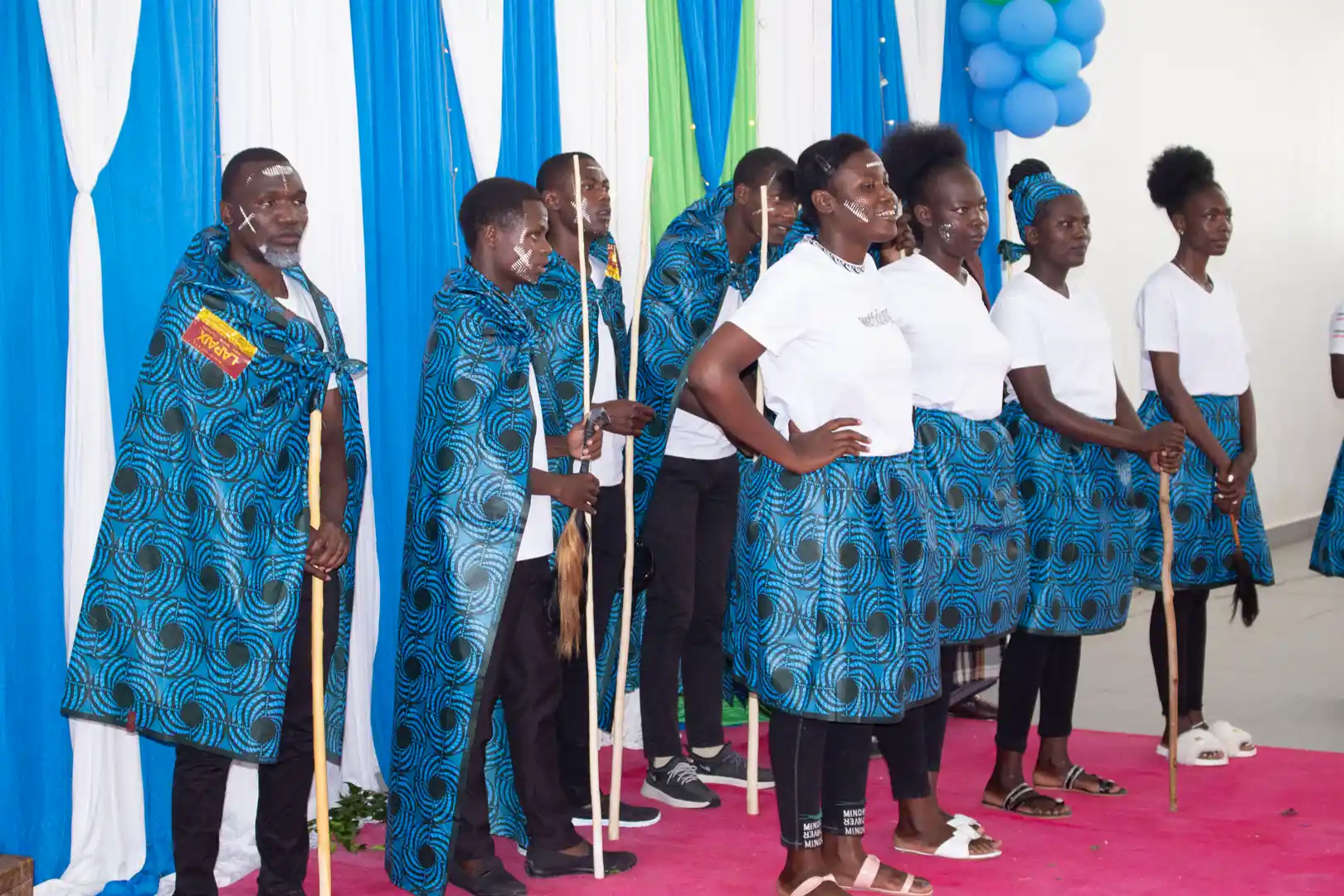
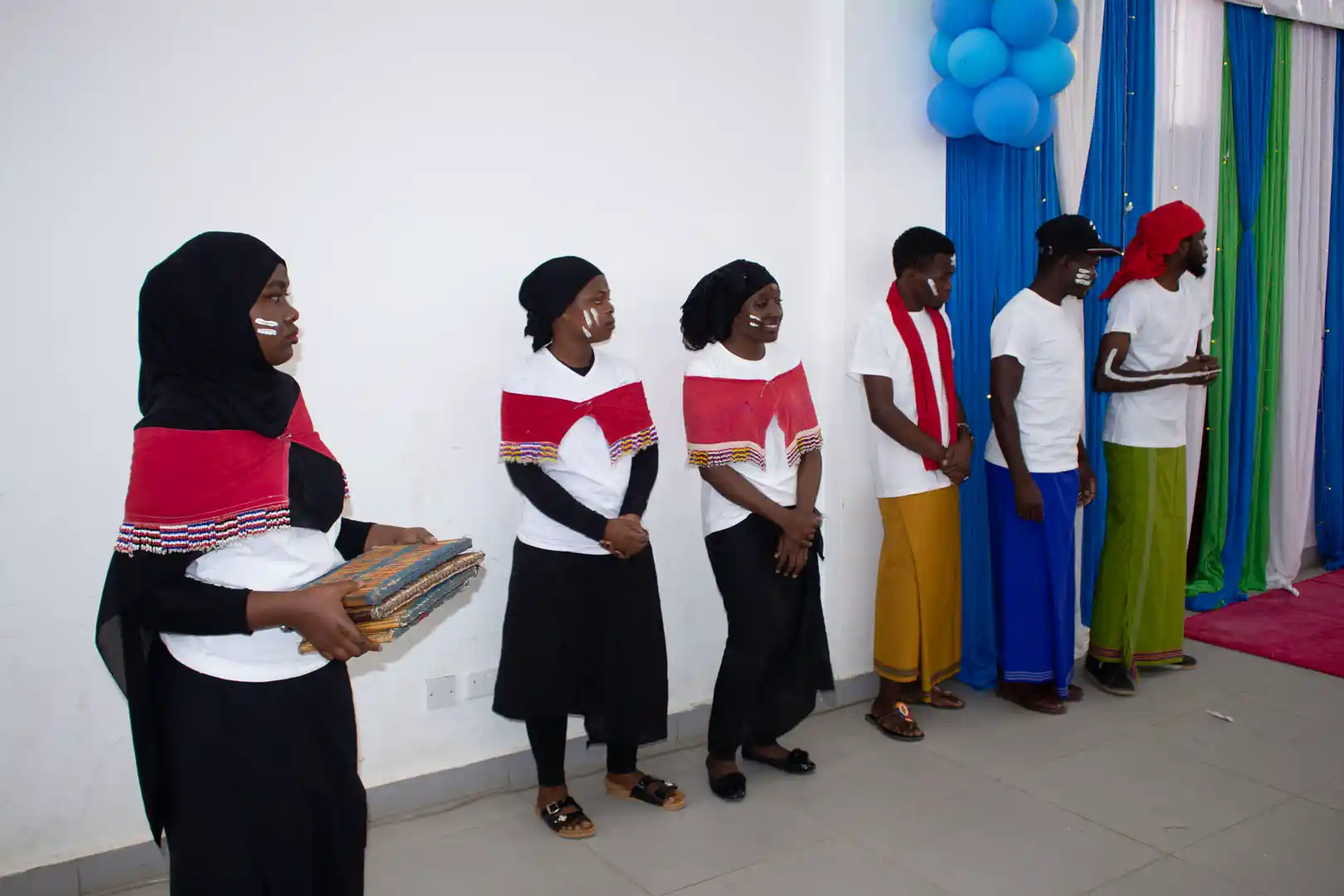
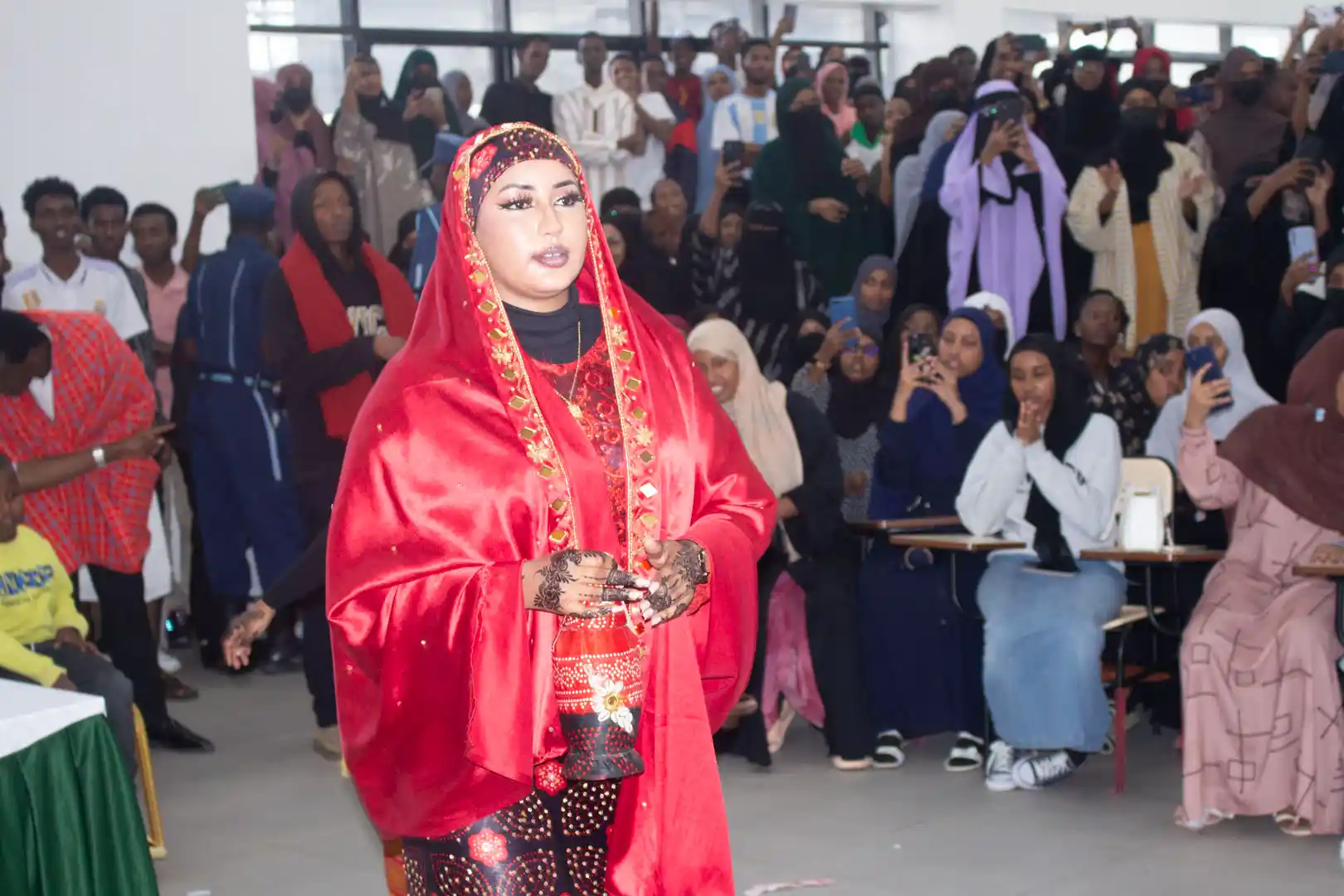
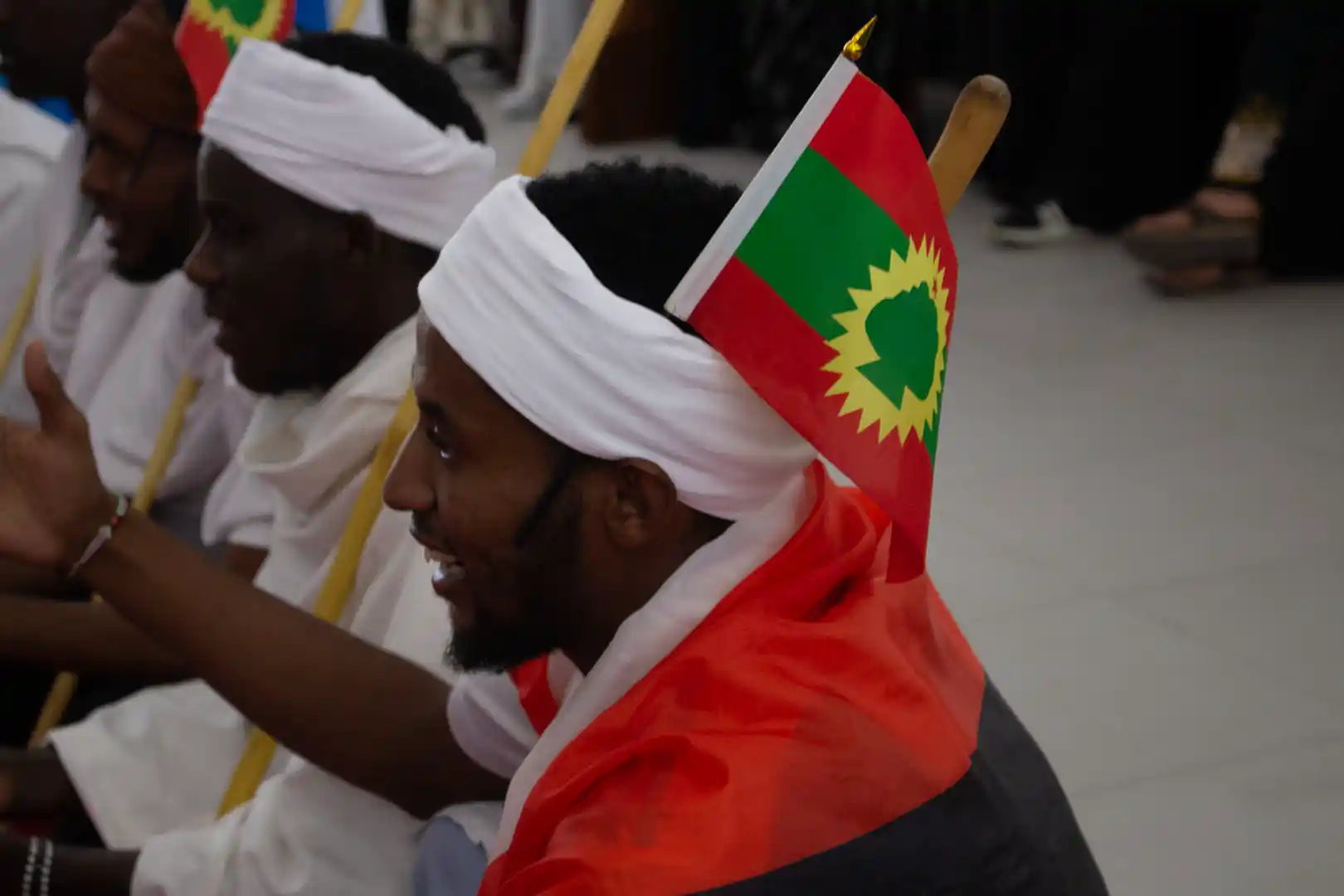
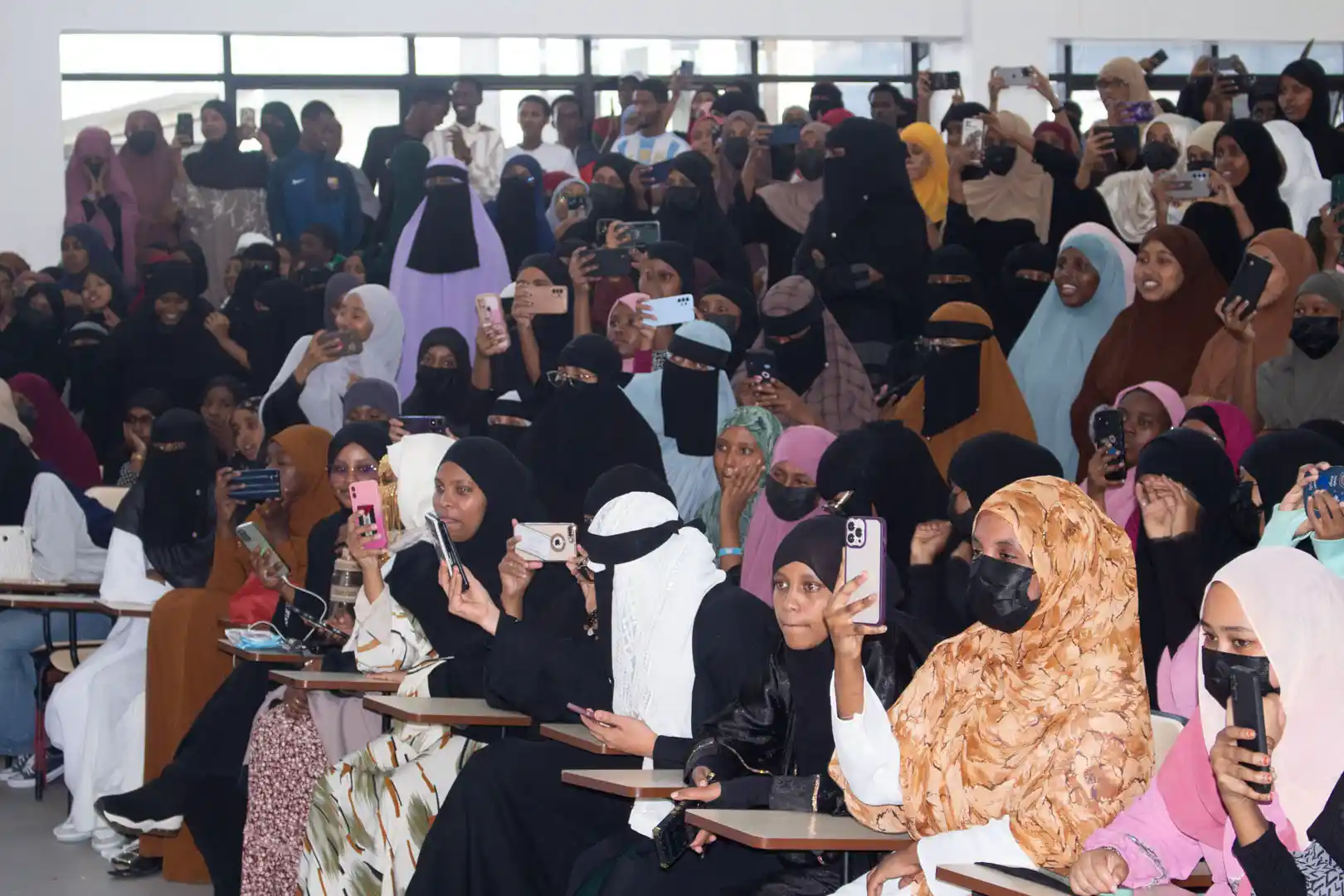
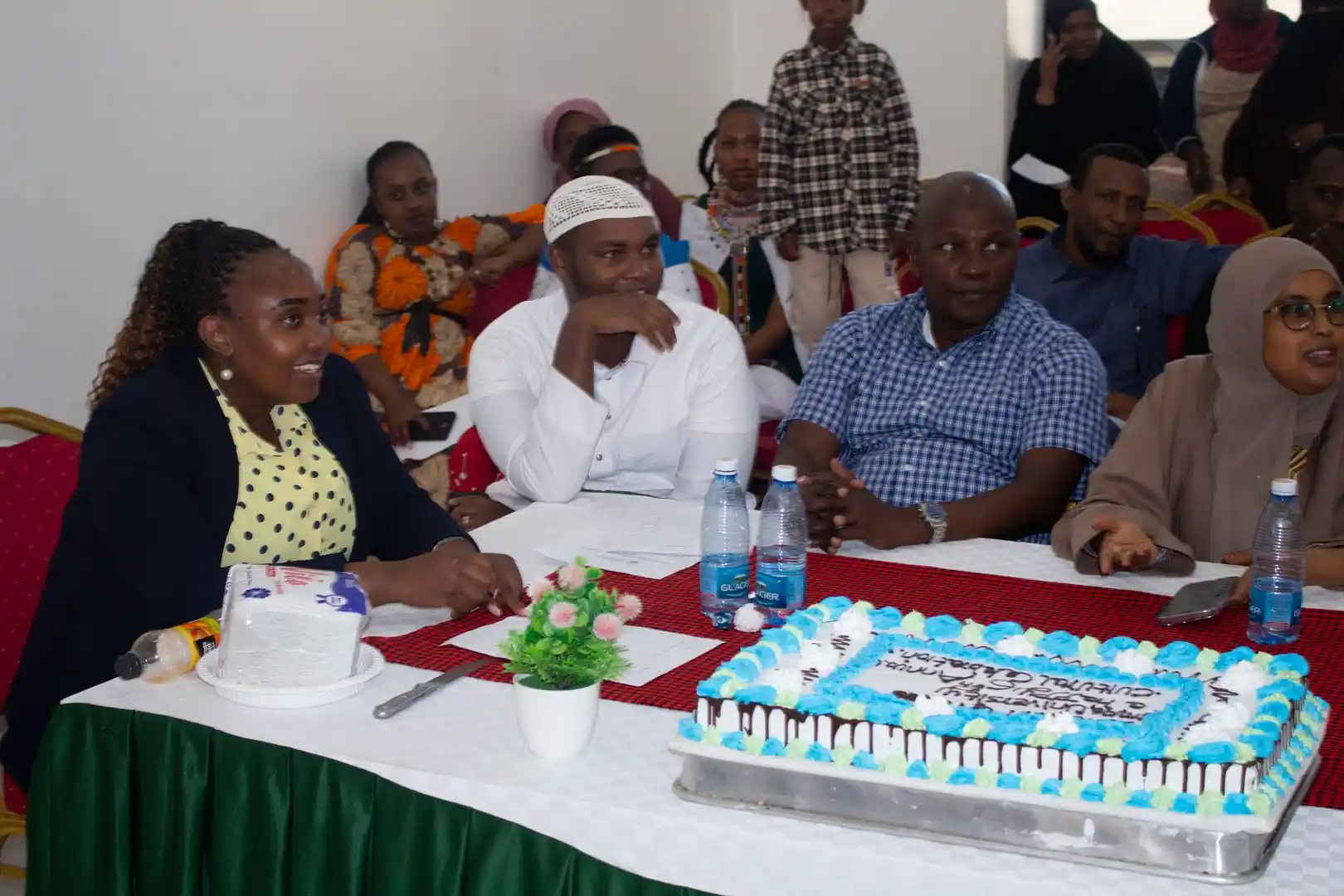
Umma University’s annual Culture Week transformed the campus into a vibrant celebration of diversity, heritage, and artistic expression from September 15-21, 2024. The week-long festival, themed “Unity Through Cultural Heritage,” brought together students, faculty, and community members for an unforgettable showcase of traditions from across the globe.
The opening ceremony featured a spectacular parade of nations, with student groups dressed in traditional attire representing over 30 countries. Vice Chancellor Dr. Amina Hassan officially launched the festivities, emphasizing the university’s commitment to fostering cross-cultural understanding in her address.
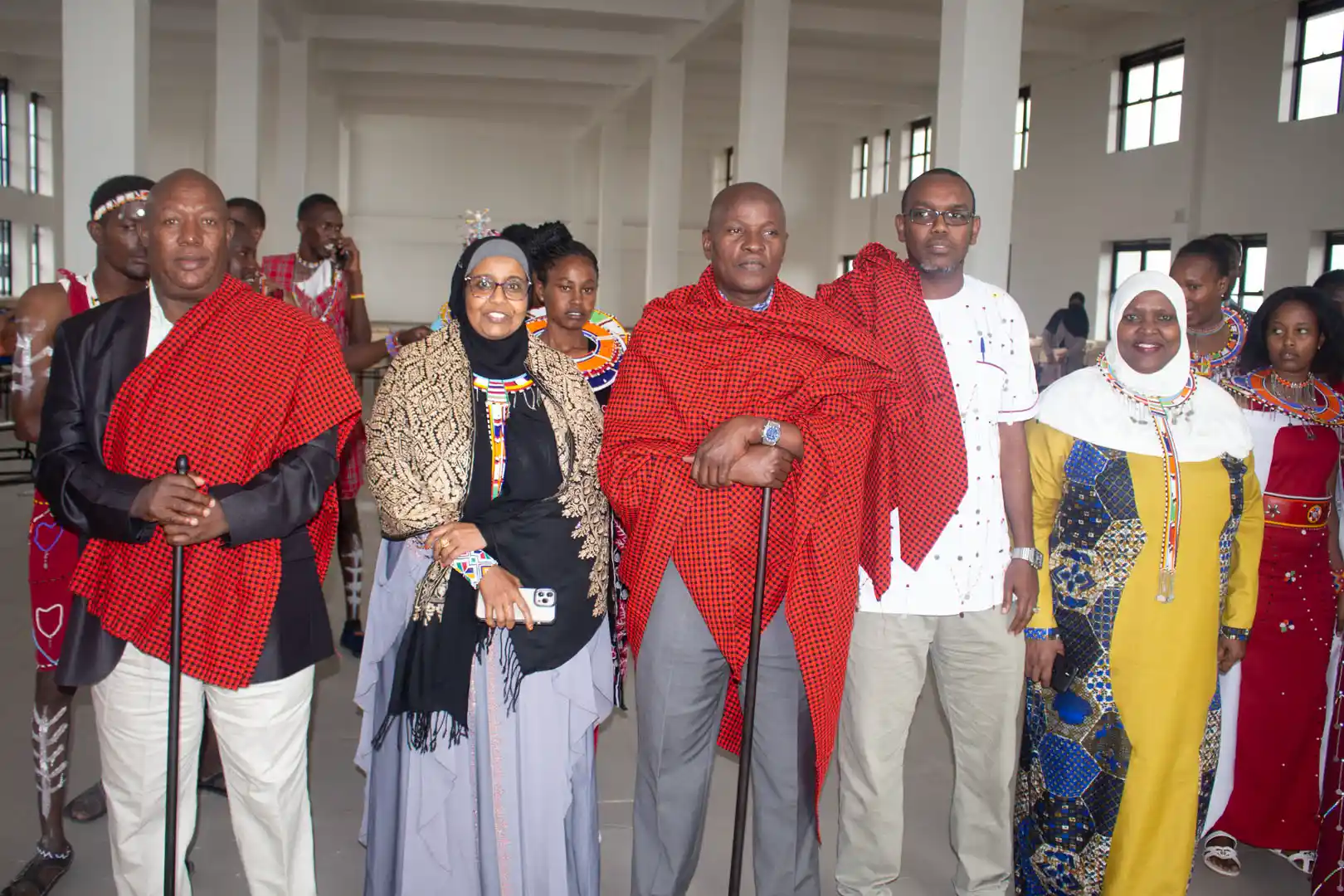
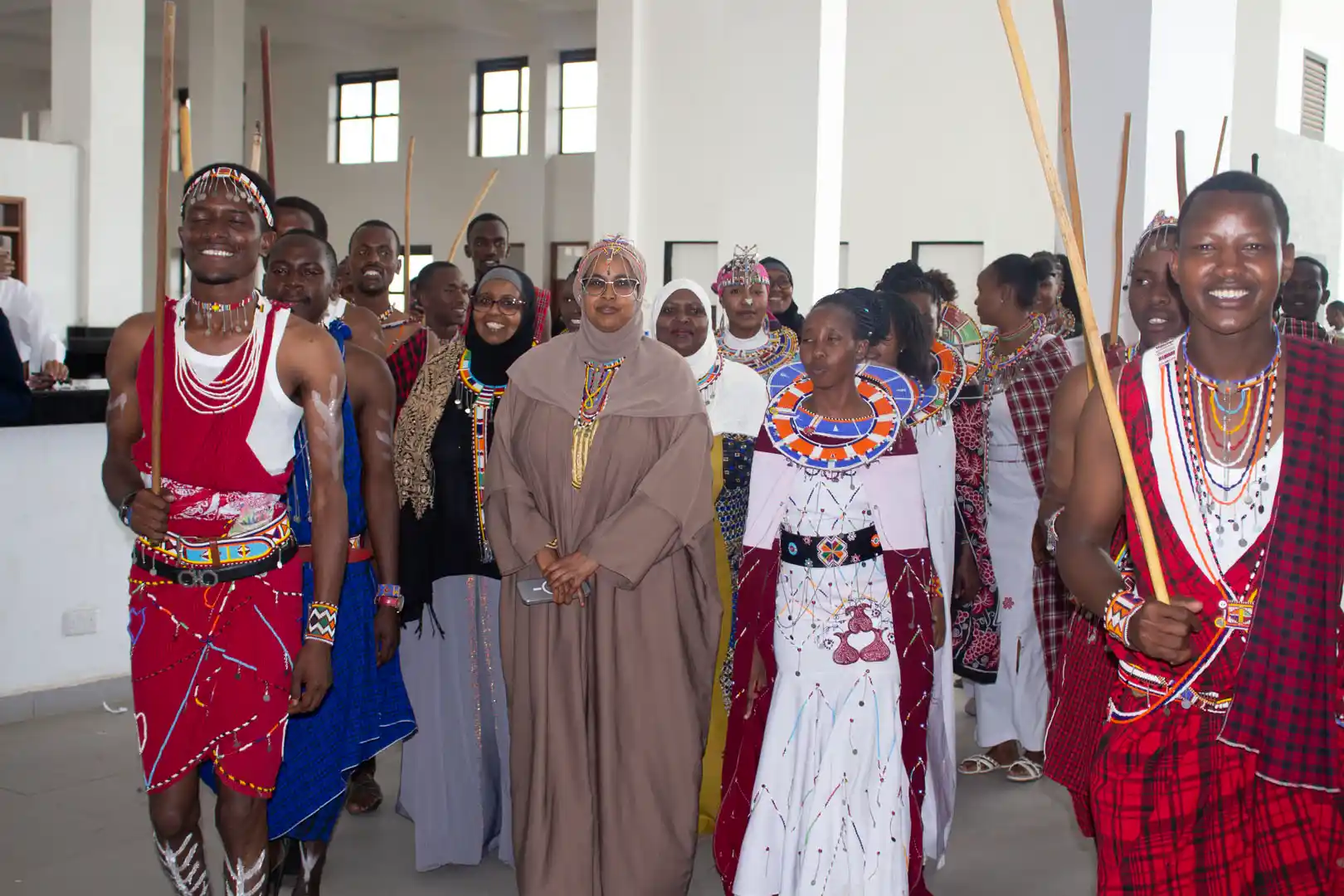
Umma University’s annual Culture Week transformed the campus into a vibrant celebration of diversity, heritage, and artistic expression from September 15-21, 2024. The week-long festival, themed “Unity Through Cultural Heritage,” brought together students, faculty, and community members for an unforgettable showcase of traditions from across the globe.
The opening ceremony featured a spectacular parade of nations, with student groups dressed in traditional attire representing over 30 countries. Vice Chancellor Dr. Amina Hassan officially launched the festivities, emphasizing the university’s commitment to fostering cross-cultural understanding in her address.
“In today’s interconnected world, appreciating diverse cultural perspectives isn’t just enriching—it’s essential,” Dr. Hassan remarked. “Culture Week embodies Umma University’s mission to prepare global citizens who celebrate differences while recognizing our shared humanity.”
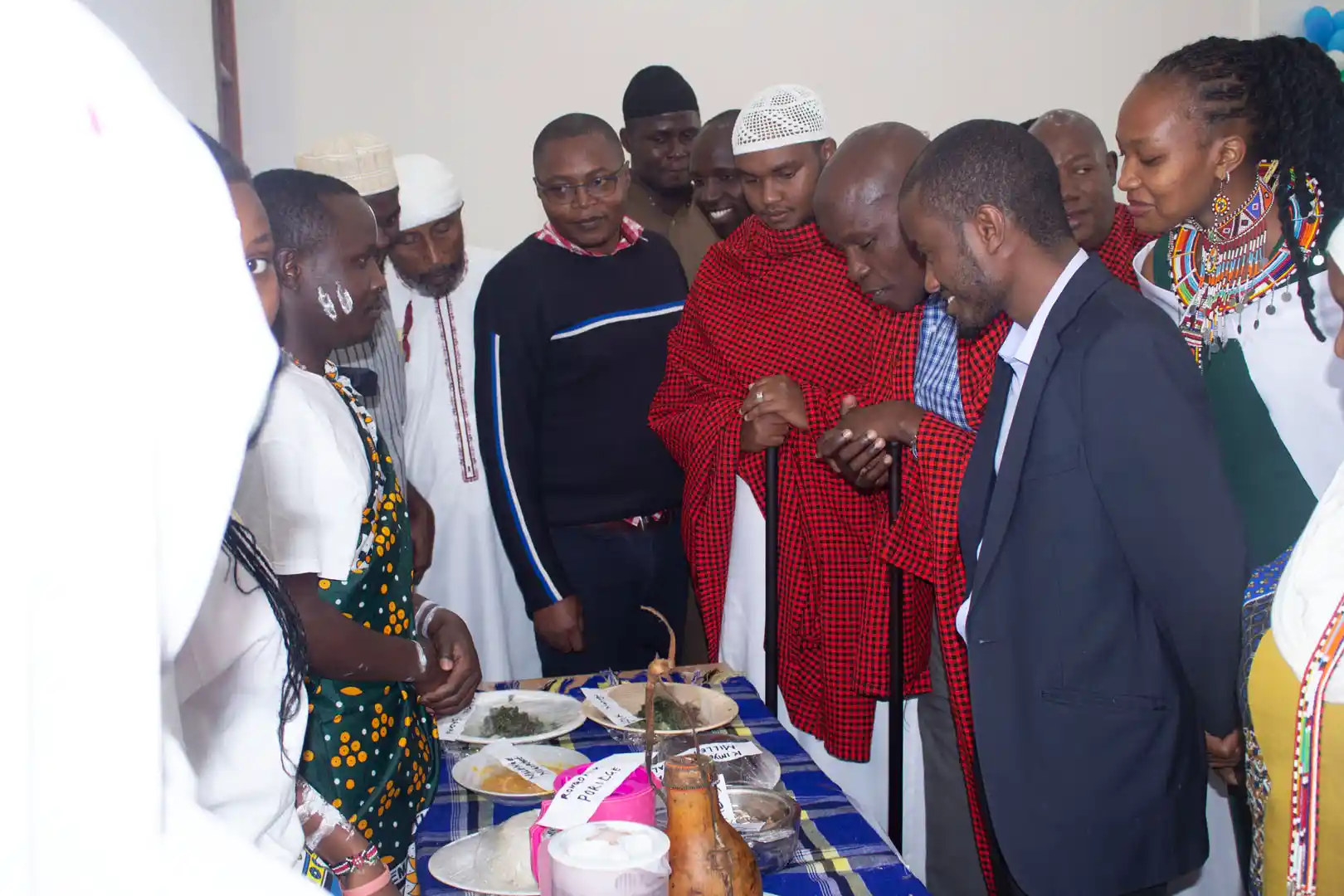
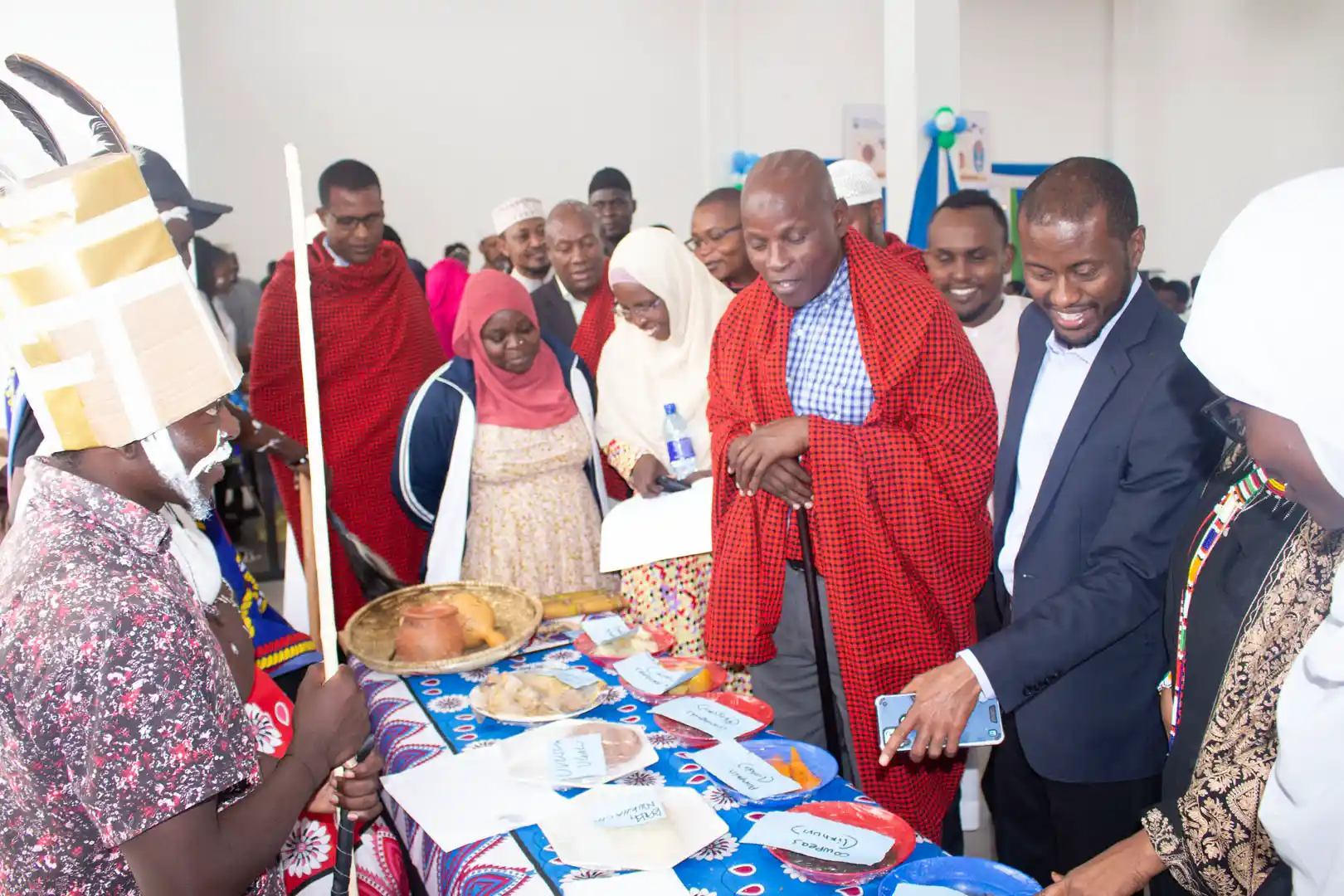
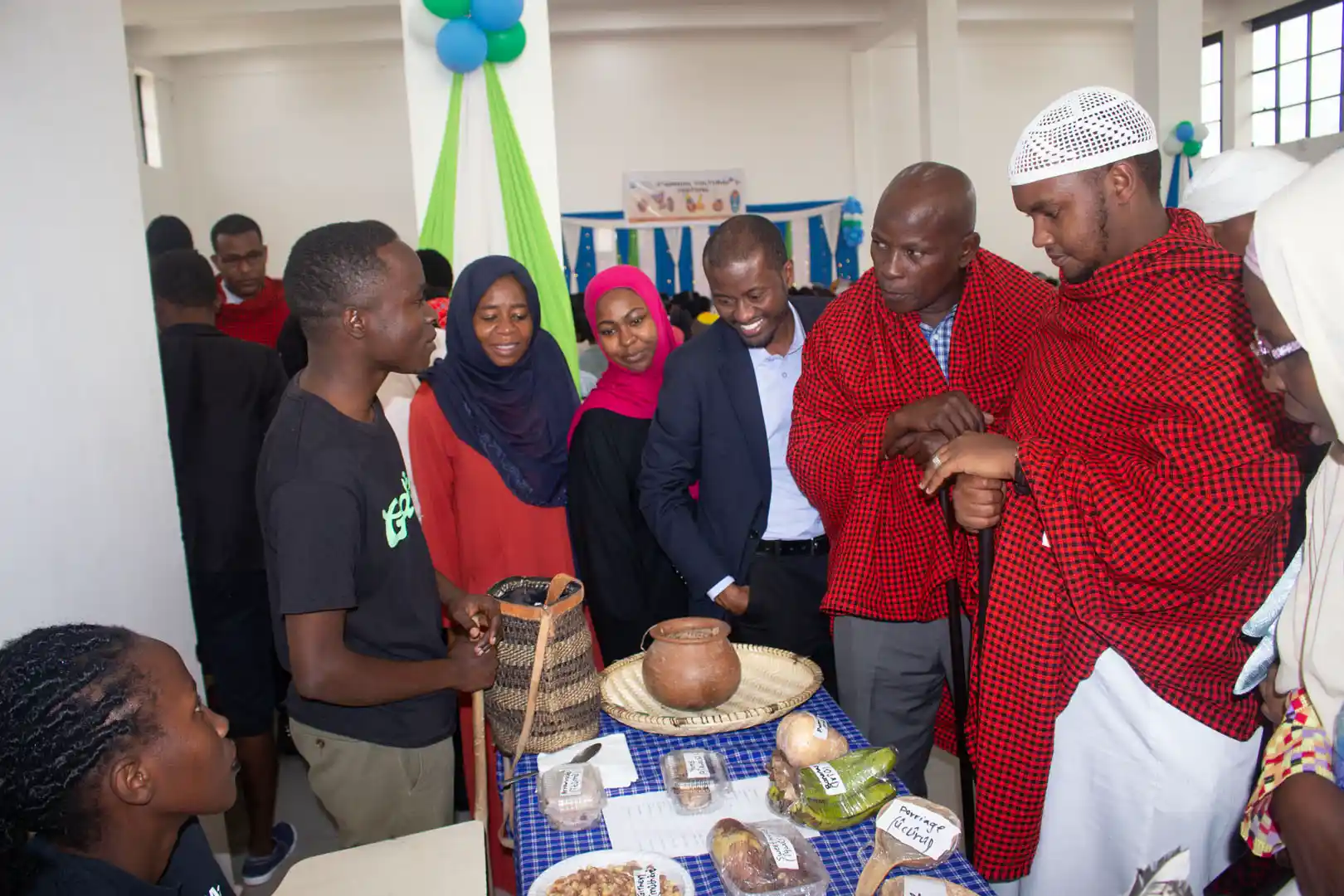
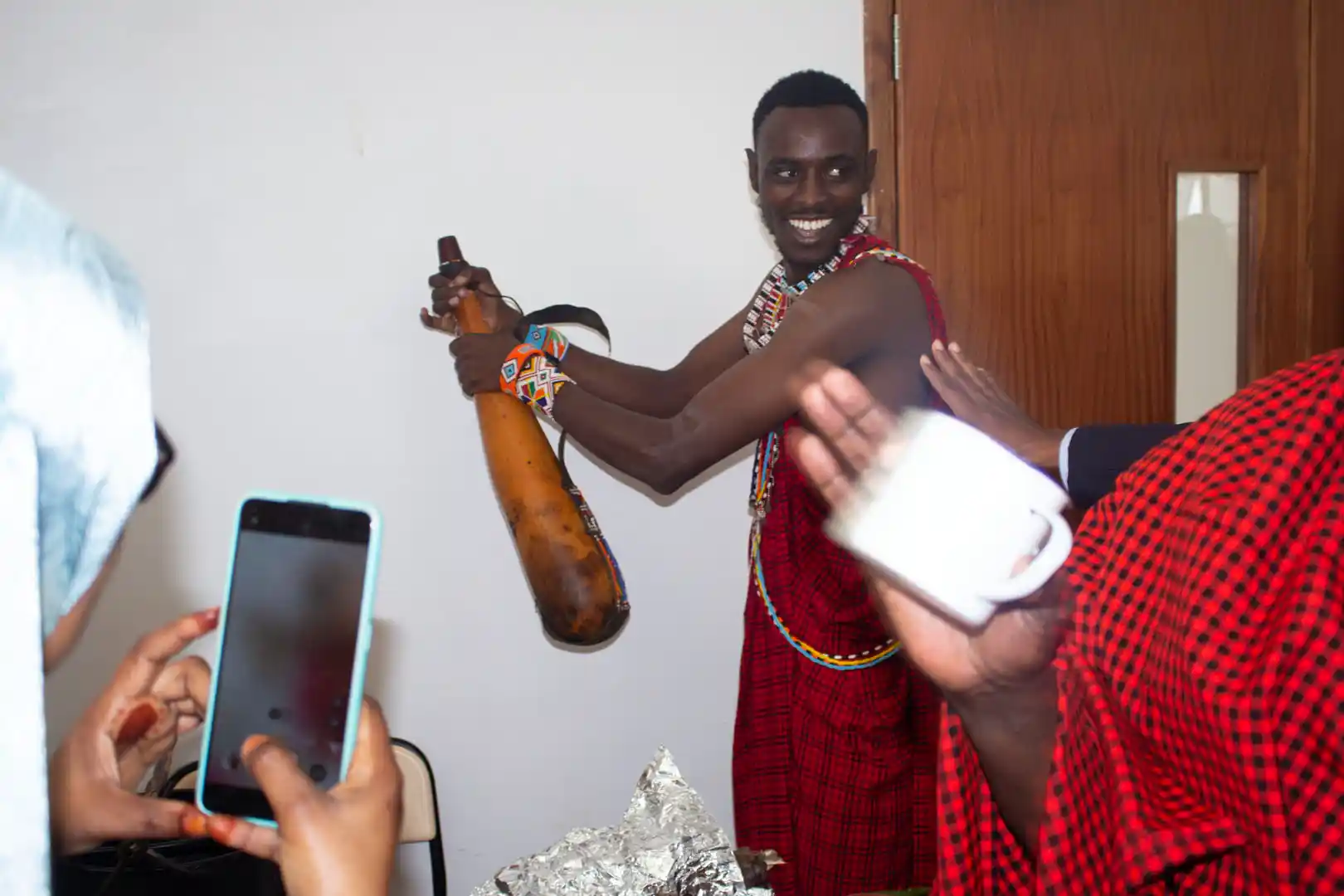
The university’s central plaza hosted daily cultural exhibitions where student organizations displayed artifacts, photographs, and interactive installations. The East African Students Association’s traditional homestead replica drew particular attention, allowing visitors to experience authentic rural living spaces complete with handcrafted furniture and cooking demonstrations.
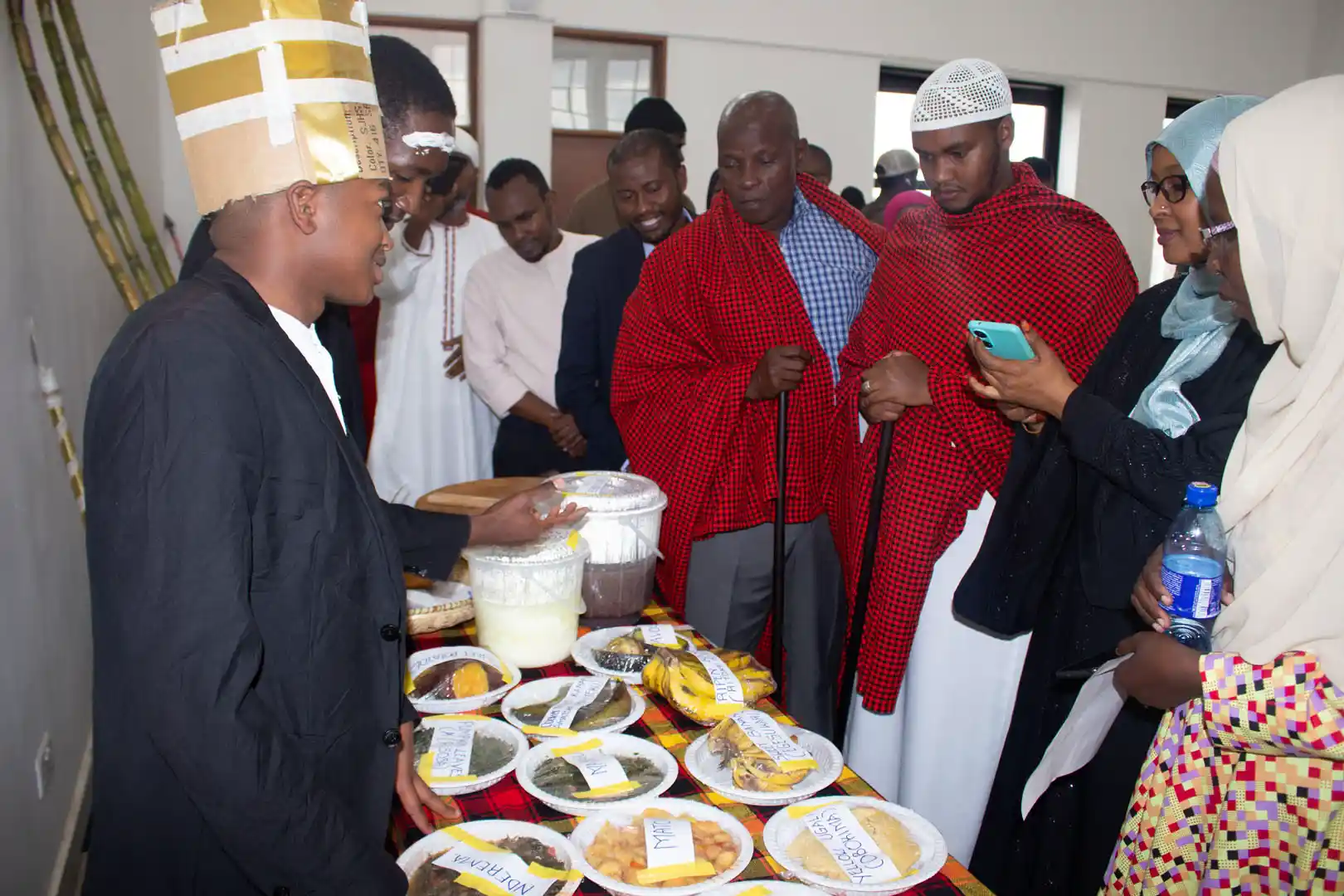
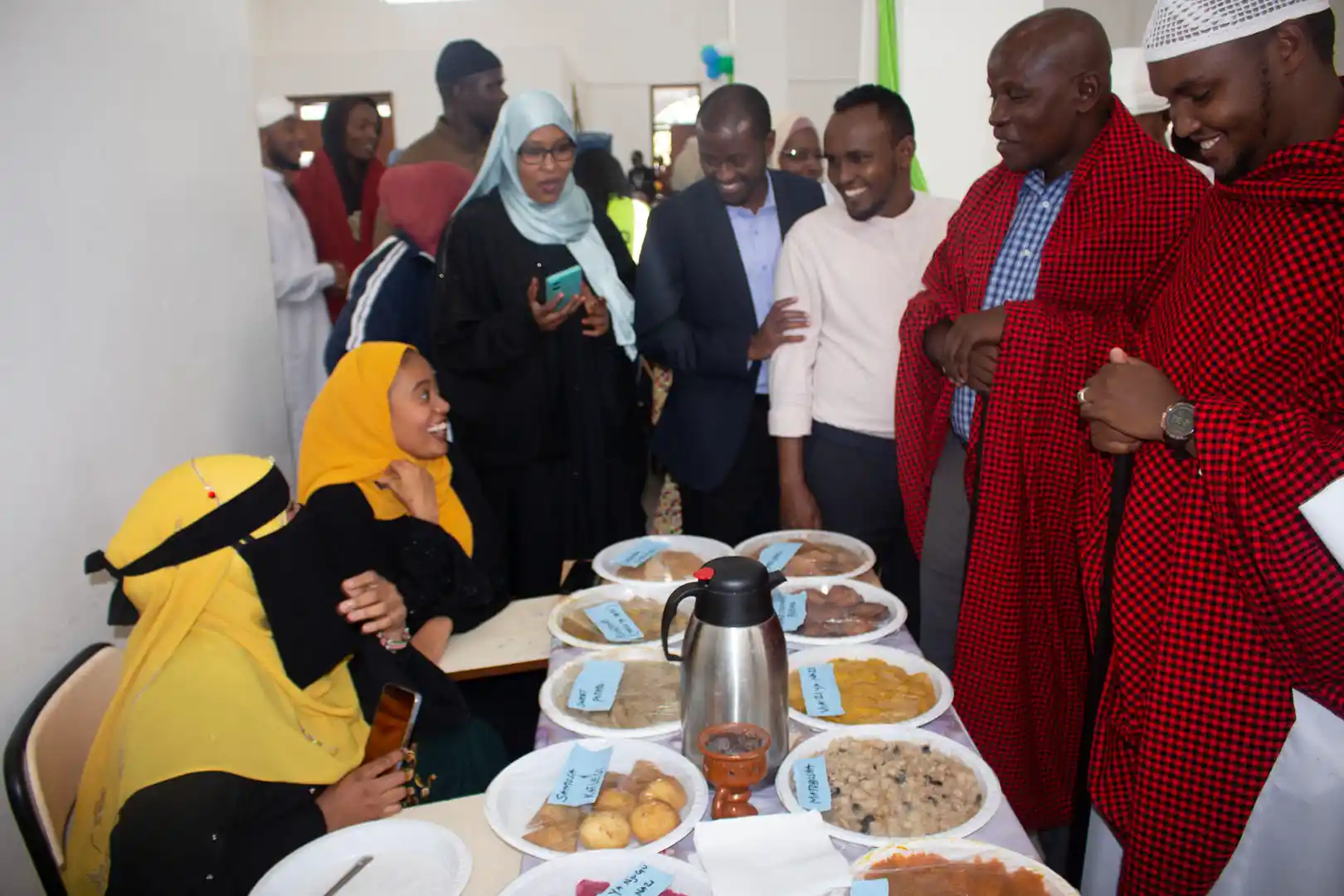
Culinary diversity took center stage at the International Food Festival, where twenty-five food stalls offered delicacies from various regions. The Asian Students Coalition’s dumplings and the Middle Eastern Society’s selection of mezze platters proved especially popular among attendees.
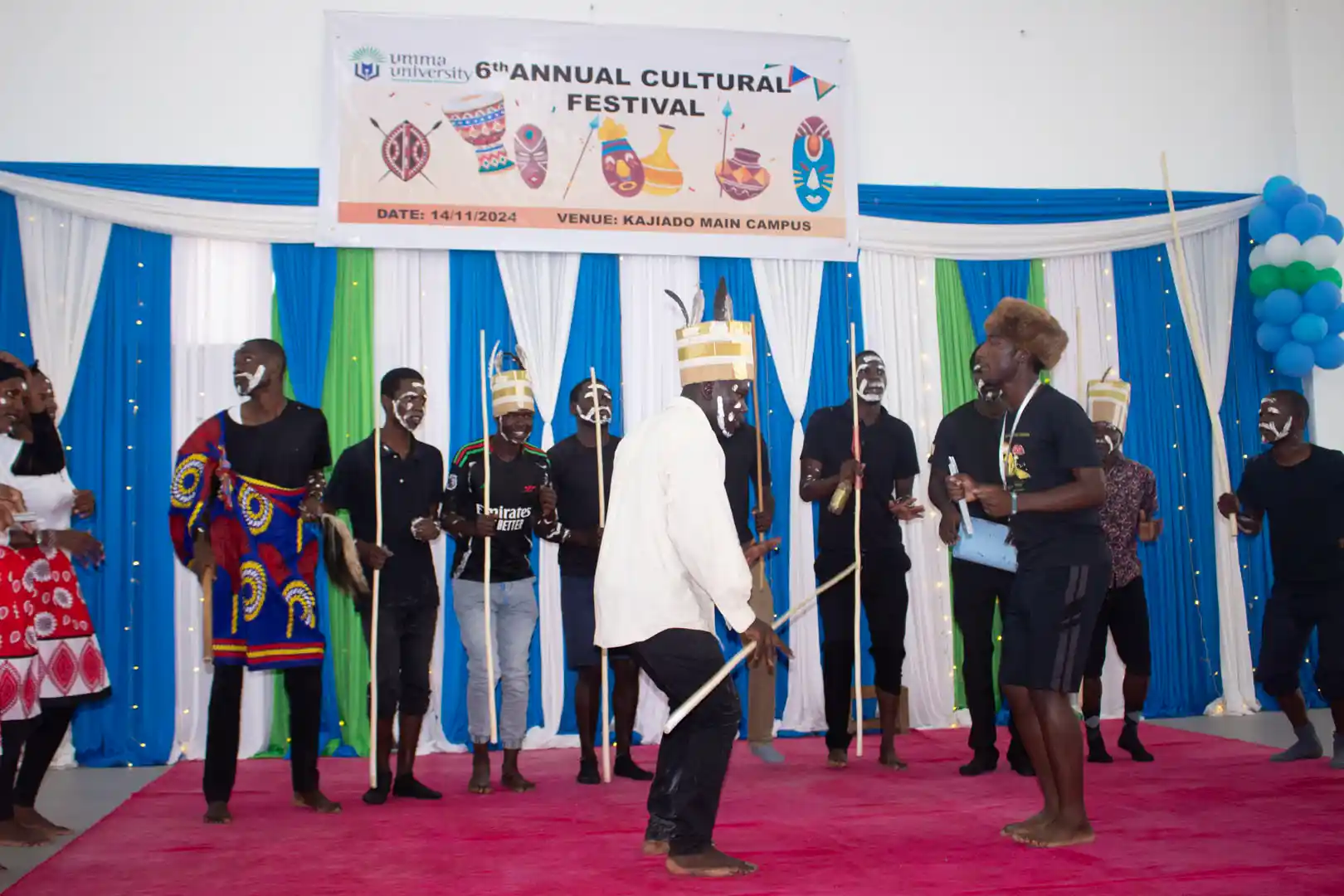
The performing arts segment featured nightly concerts at the university amphitheater. The highlight was undoubtedly the collaborative performance between the university choir and visiting musicians from the National Conservatory, who presented a fusion of traditional and contemporary musical styles that earned a standing ovation.
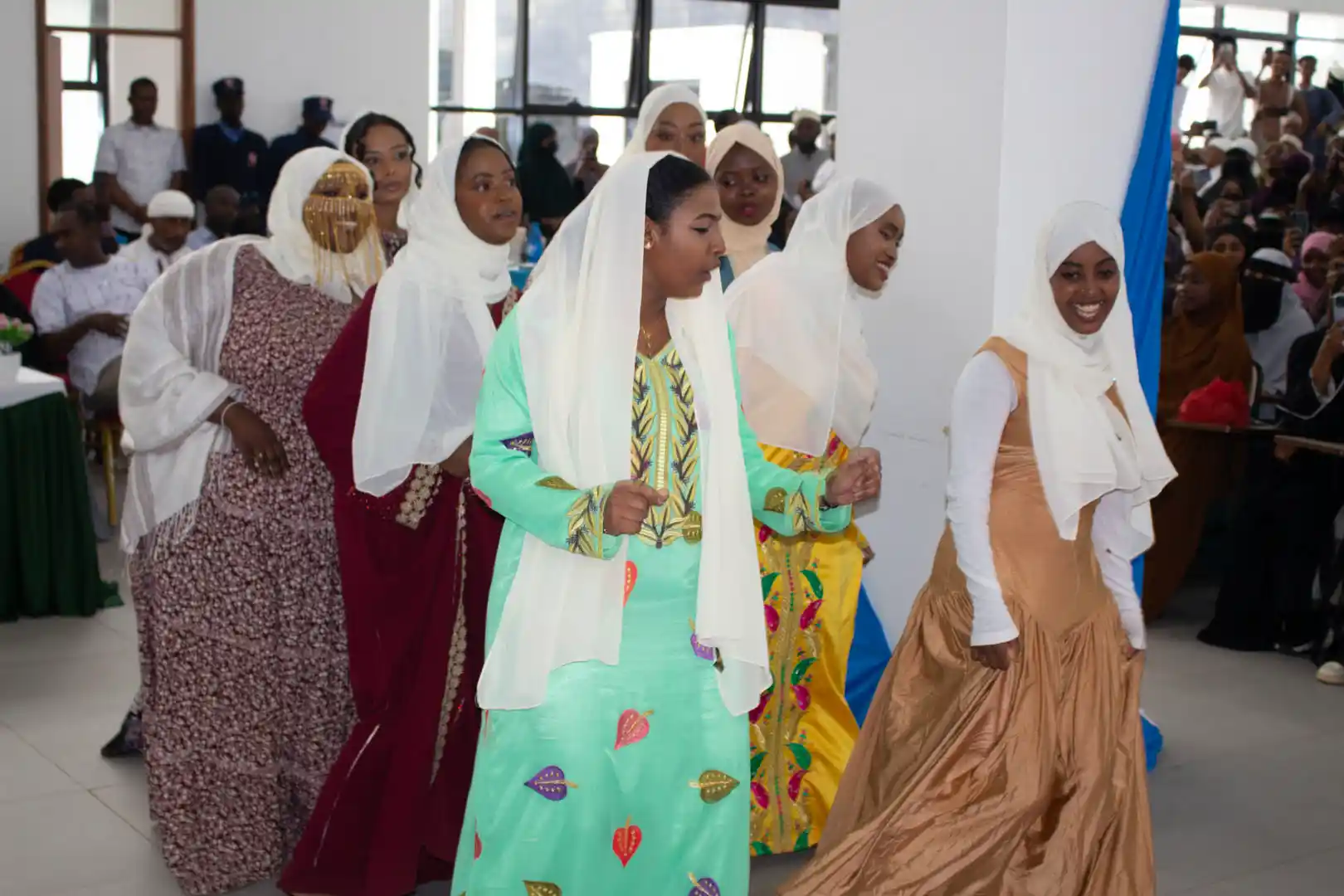
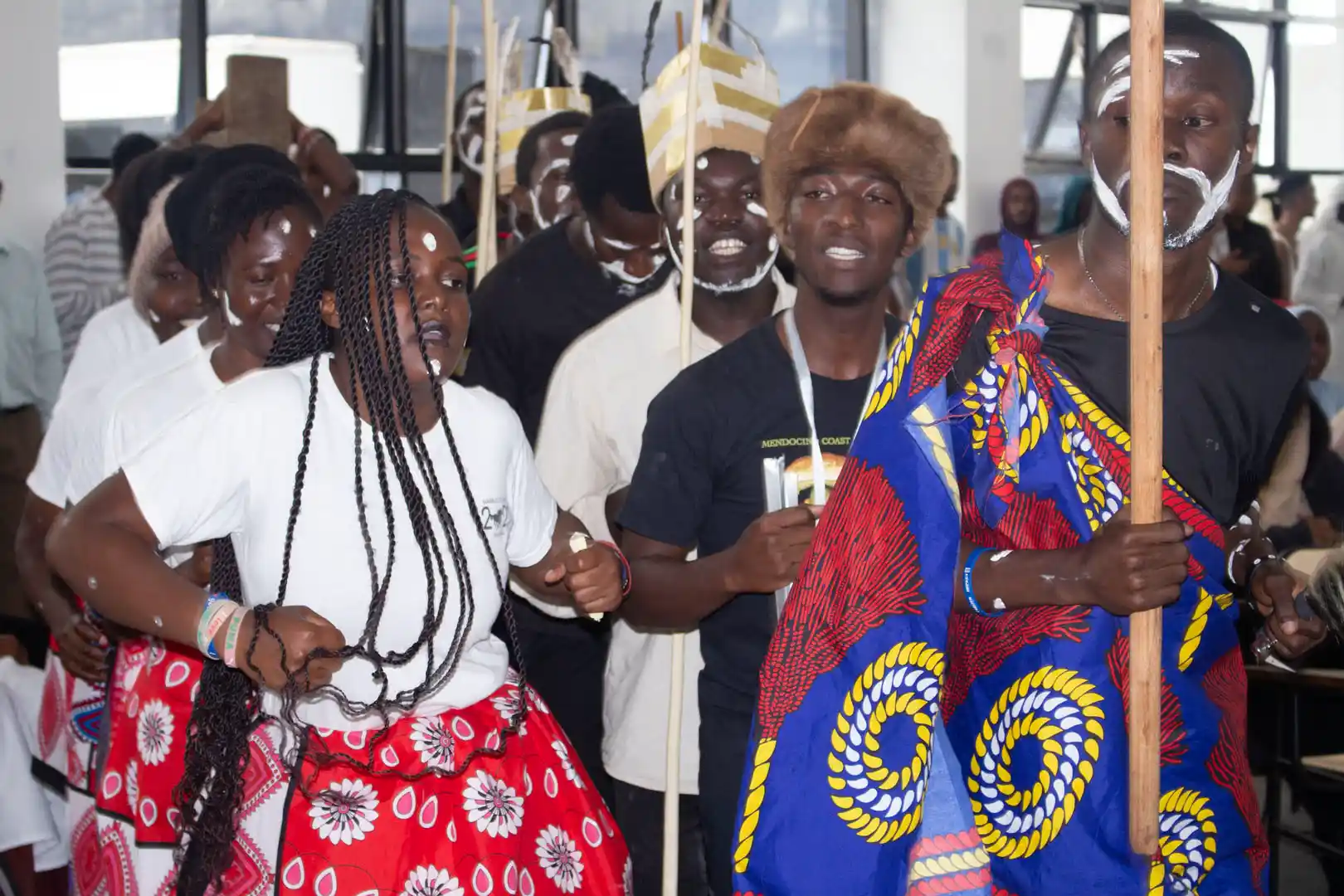
Workshop sessions throughout the week provided hands-on cultural experiences, including traditional textile weaving, calligraphy classes, and indigenous pottery techniques. Professor Malik Osman’s lecture on “Cultural Preservation in the Digital Age” sparked thoughtful discussions about balancing tradition with technological advancement.
The film festival component screened award-winning international cinema, followed by panel discussions with film studies faculty and student filmmakers. The screening of “Crossroads,” a documentary produced by Umma’s Media Studies department exploring cultural identity among diaspora communities, was particularly well-received.
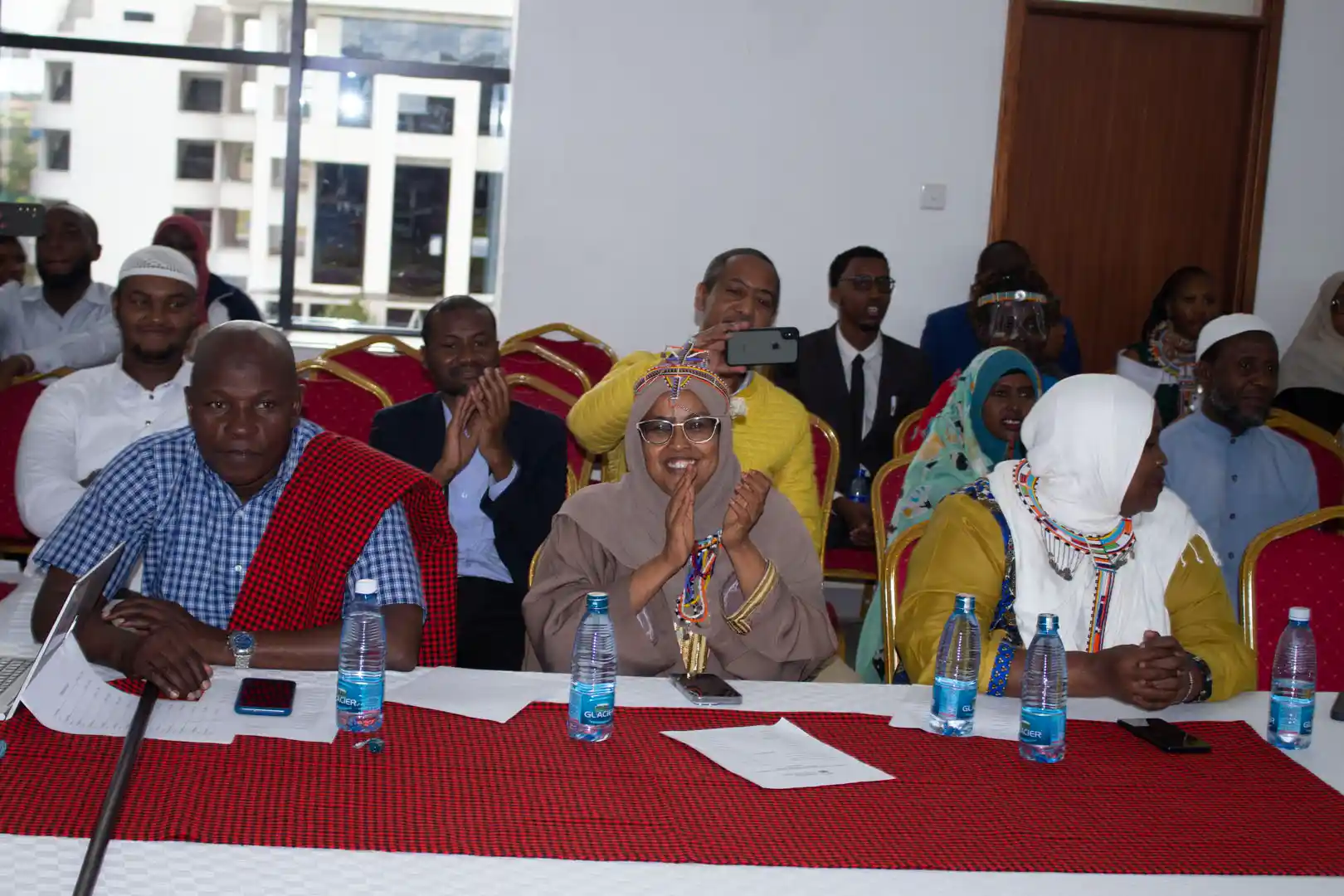
Culture Week concluded with a gala dinner attended by university leadership, government officials, and community partners. Student representatives presented a unified cultural performance that symbolically wove together elements from all participating cultural groups.
“This year’s Culture Week exceeded our expectations in both participation and impact,” said Student Affairs Director Ms. Fatima Yusuf. “The event has grown from a small campus activity to a significant cultural showcase that bridges our university community with the wider public.”
As Umma University looks toward Culture Week 2025, organizers are already planning expanded community outreach and potential collaborations with other educational institutions to further enhance this celebration of cultural heritage and diversity.
Why This Matters: Beyond Campus Walls
Umma’s Culture Week is a microcosm of its broader impact. Last year, student projects from the week led to a partnership with UN-Habitat to build rainwater harvesting systems in Kajiado. This year, a focus on “heritage as climate justice” includes a panel with Greta Thunberg’s African youth collaborators. “We’re not just celebrating culture—we’re using it to solve real problems,” says student organizer Yusuf Omondi, a Maasai law student.
For Attendees: How to Participate
All events are free and open to the public, with shuttle buses from Nairobi. Students earn co-curricular credits for volunteering. Highlights include a “Cultural Passport” where attendees collect stamps for attending workshops, with prizes for most engaged participants. A final “Umoja Feast” on April 20 brings together students, faculty, and community members for a shared meal of nyama choma and chapati.
Final Word: From the VC
“At Umma, we believe culture is not static—it’s a living, breathing force for change. This week is not about nostalgia; it’s about equipping students to be leaders who honor the past while building a just future. When a Maasai elder and a Somali refugee student share a meal, that’s not just culture—that’s revolution.”
Salim Rana
August 20, 2024 at 9:15 amI love the way the instructor goes about the course. So easy to follow, even though a
little bit challenging as expected.
Salim Rana
August 20, 2024 at 9:16 amThe way the instructor goes about the course. So easy to follow, even though a
little bit challenging as expected.
Salim Rana
August 26, 2024 at 5:56 amok